
The Modern Shirt Atelier | Andheri, Mumbai
Beyond the ordinary shirt.
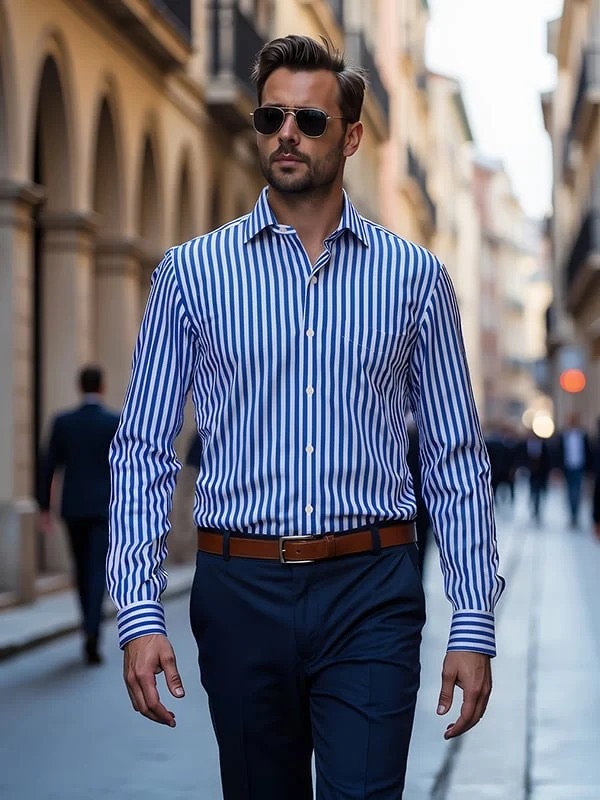
An exploration of refined menswear, considered proportions, distinctive details, and contemporary formal dressing.
→ Discover the shirt editA classificationThe Shirt Index
Eight ways into the formal shirt. Each is defined less by trend than by proportion, colour and the occasions it is built to serve — a working vocabulary for men's formal shirts in Andheri and across Mumbai.
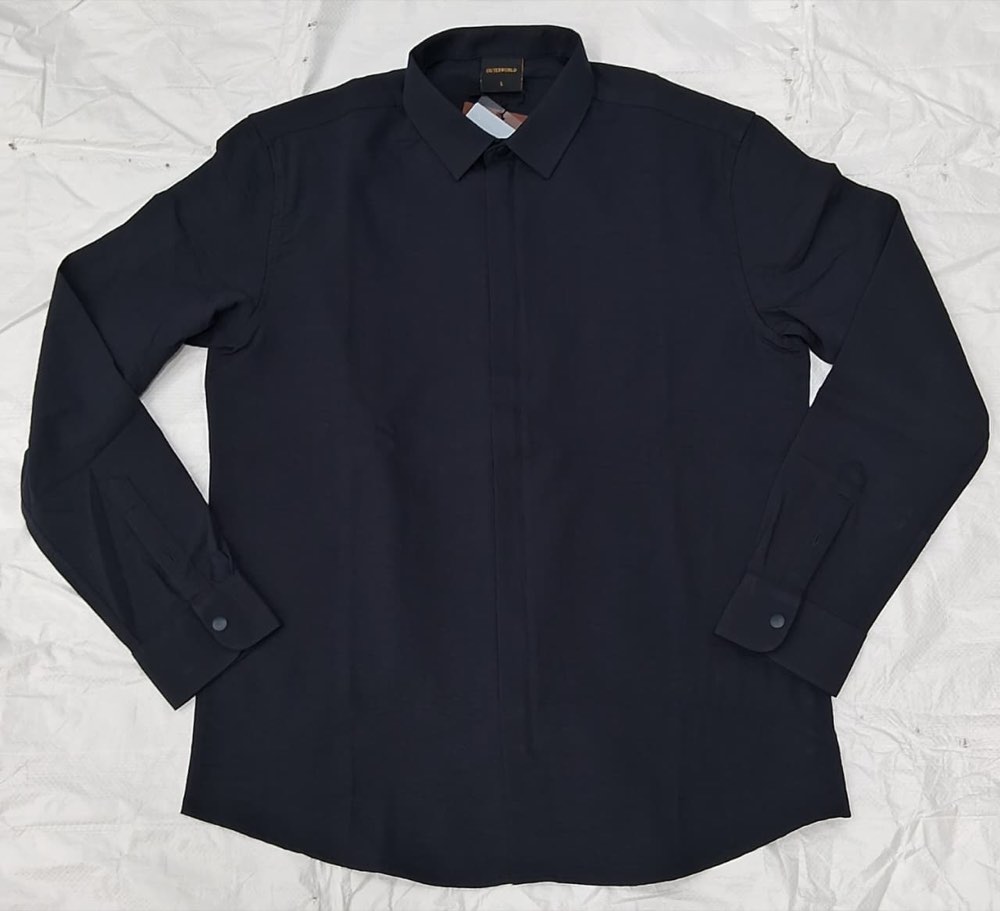
Classic Formal Shirts
The foundation of a working wardrobe: a turn-down collar of moderate spread, a clean front placket and buttoned barrel cuffs, cut with comfortable room through the body. Navy, white and pale blue in this shape will carry a suit, a blazer or simply a pair of grey trousers.
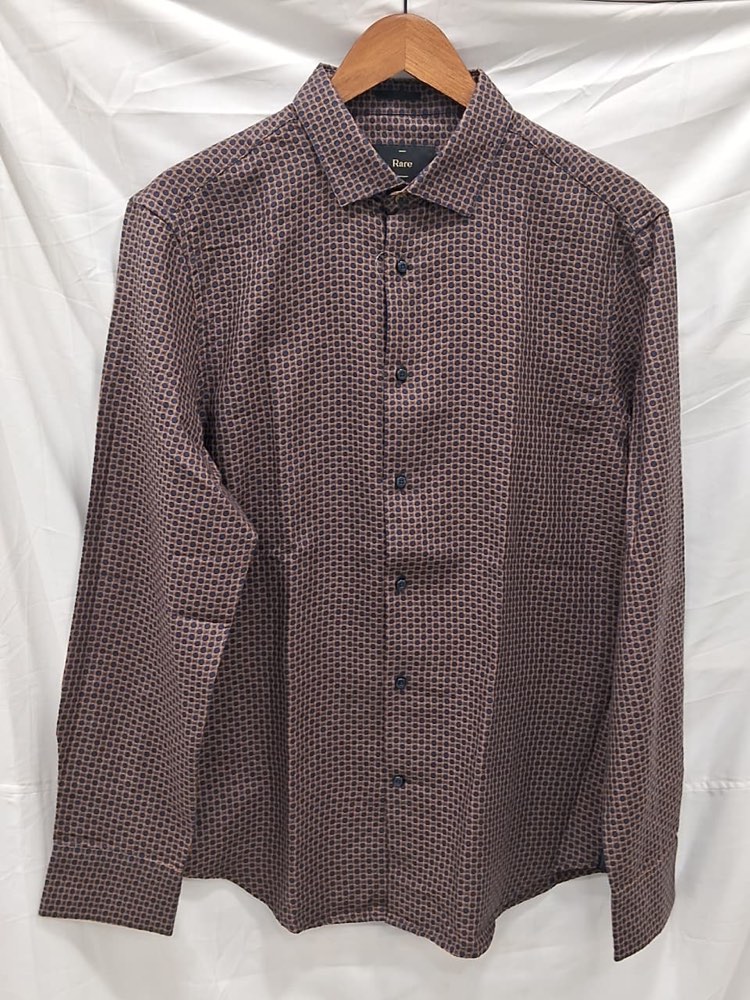
Slim Fit Formal Shirts
Shaped closer through the chest and waist, with a higher armhole and a narrower sleeve. A slim fit stays neat when tucked and sits cleanly under a tailored jacket.
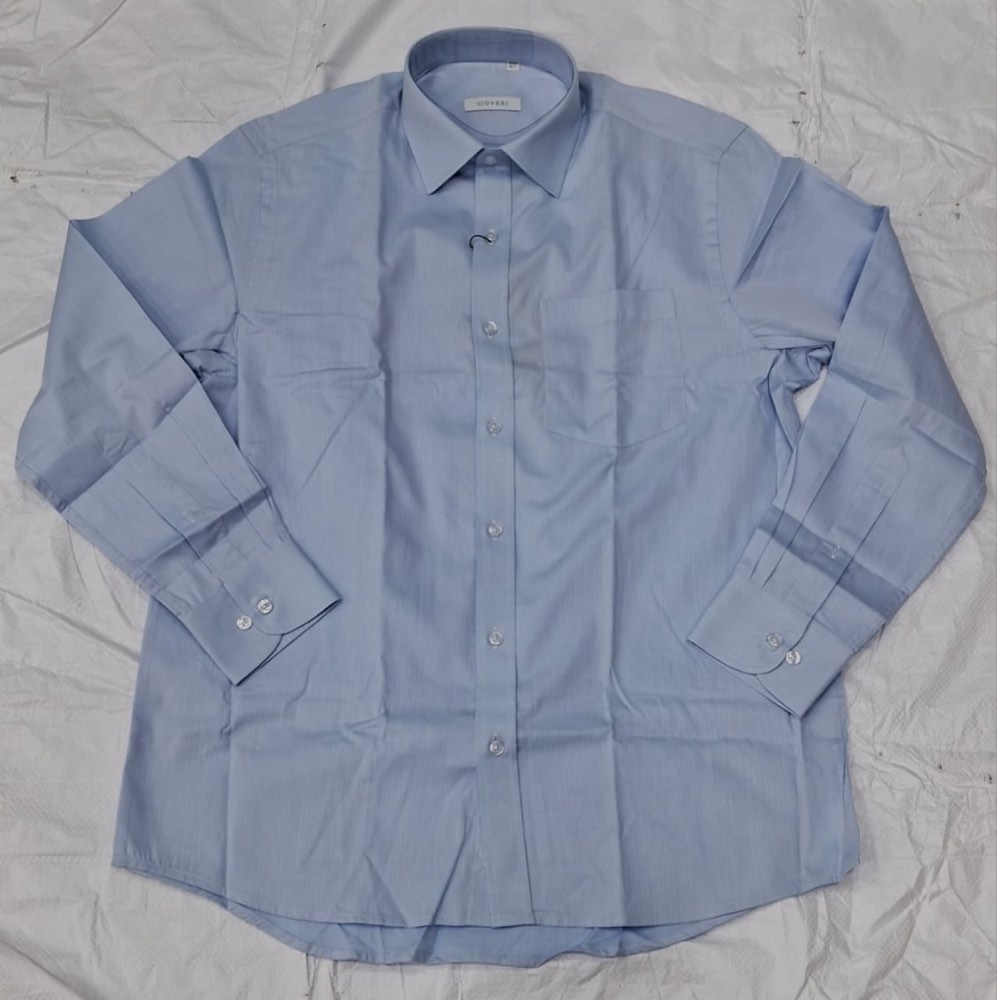
Regular Fit Shirts
A straighter line from chest to hem with ease in the shoulders and sleeves. It is the cut for long days and humid commutes, when comfort matters as much as polish.
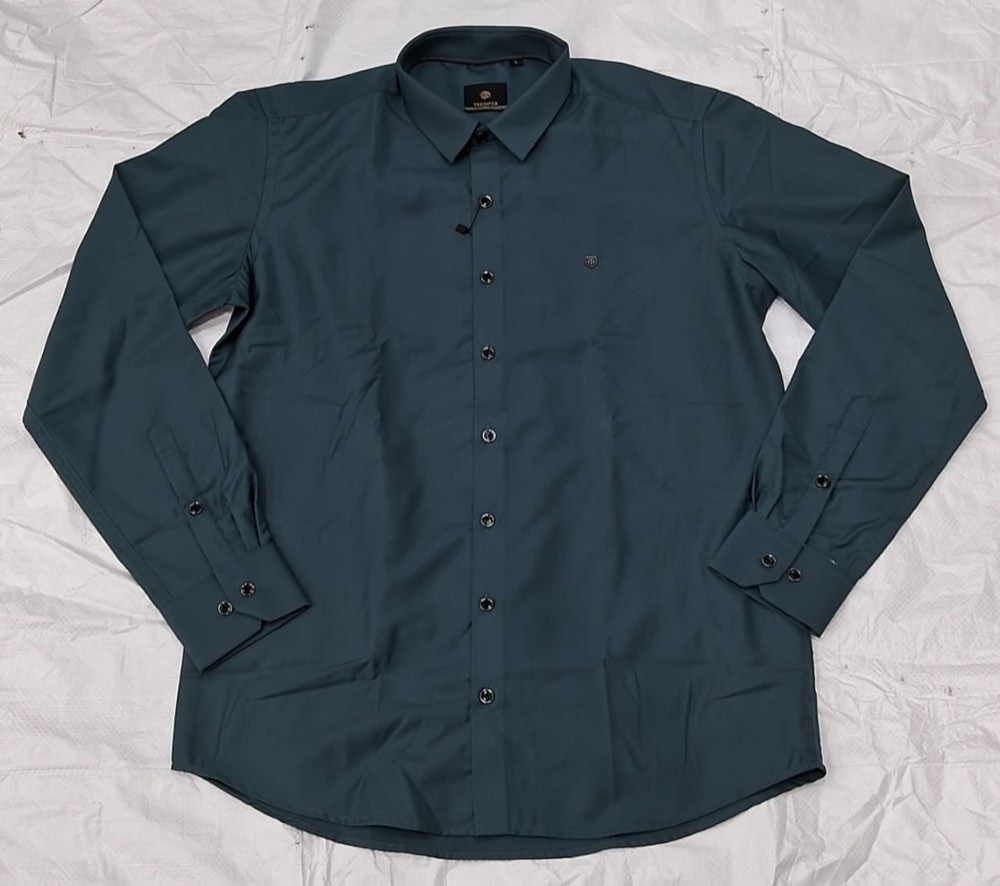
Contemporary Fit Shirts
Between slim and regular: lightly tapered, with modern collar proportions and deeper tones that move easily from office to evening.
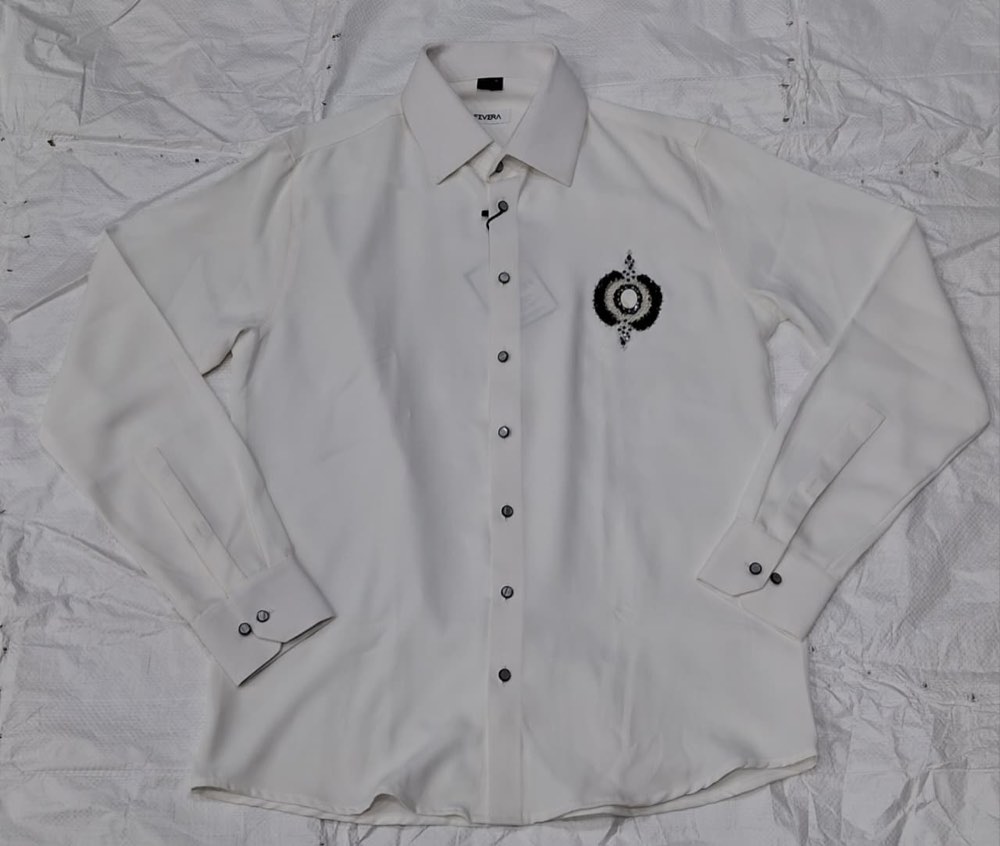
White Formal Shirts
The most formal colour a shirt can wear. White shows every choice of cloth and collar, which is exactly why a well-made white shirt reads as quietly confident — at a board meeting, a wedding reception or an interview.
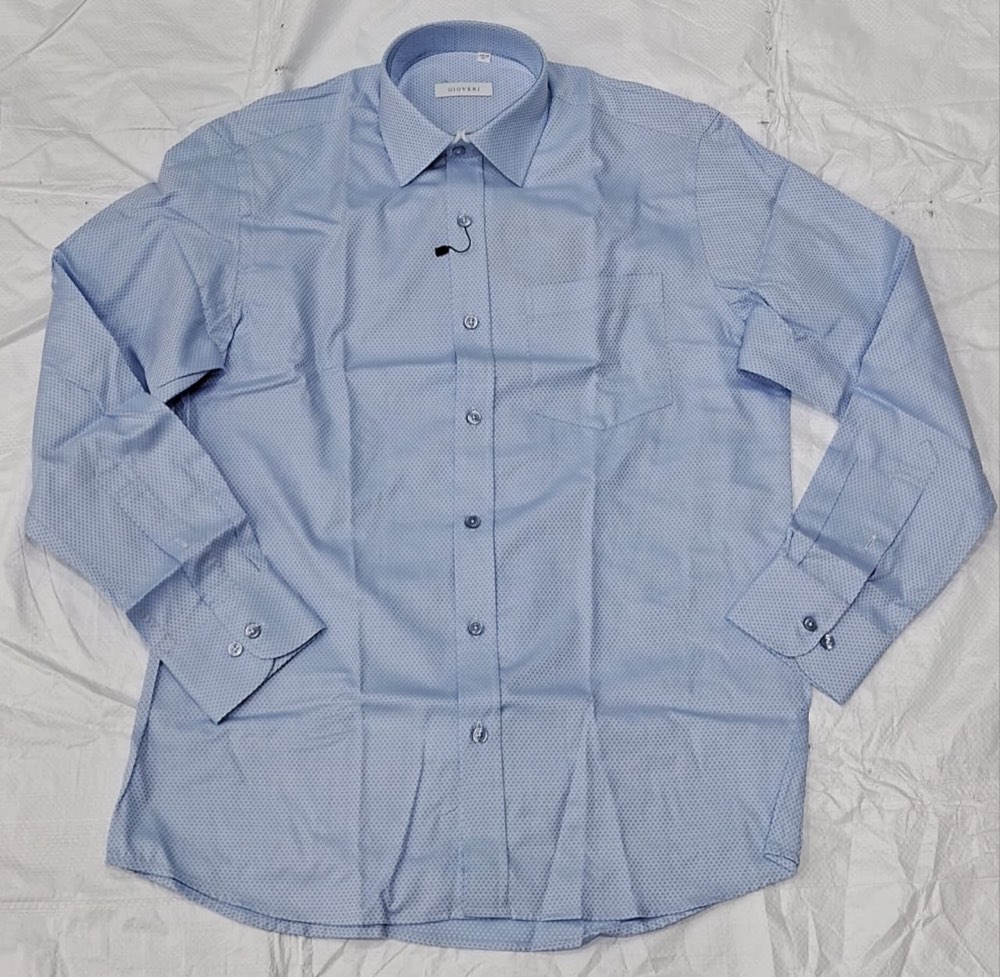
Blue Formal Shirts
From pale sky to deeper chambray tones, blue flatters most complexions and pairs with navy, grey, charcoal and beige alike.
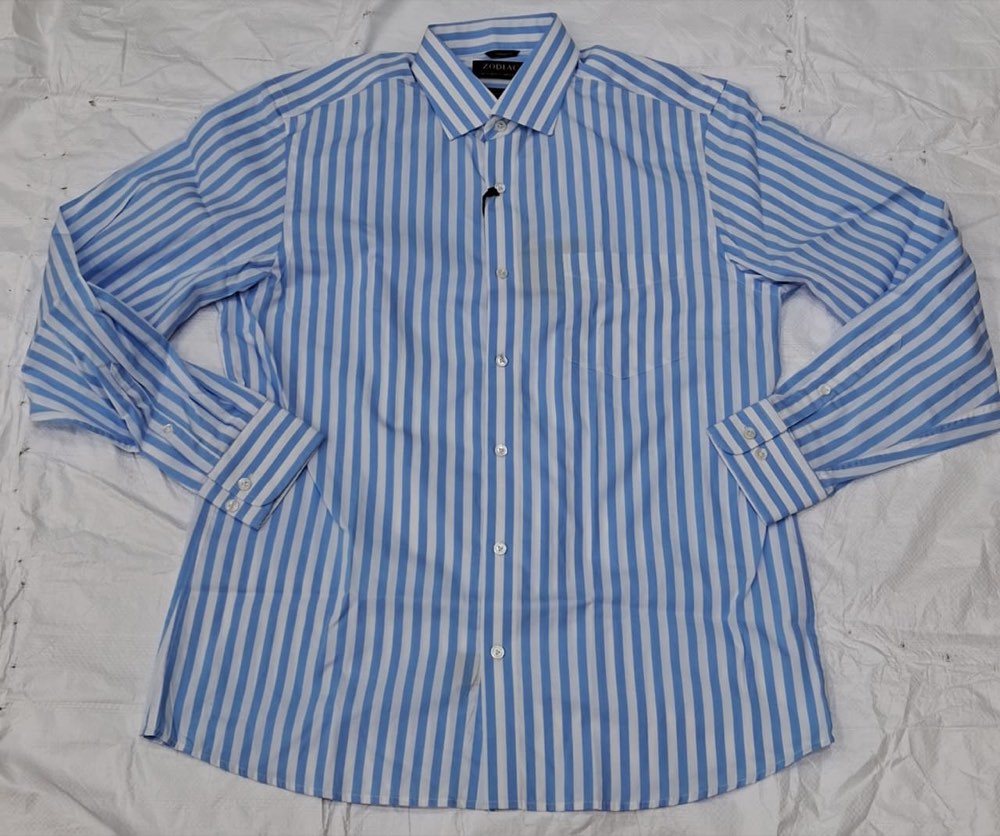
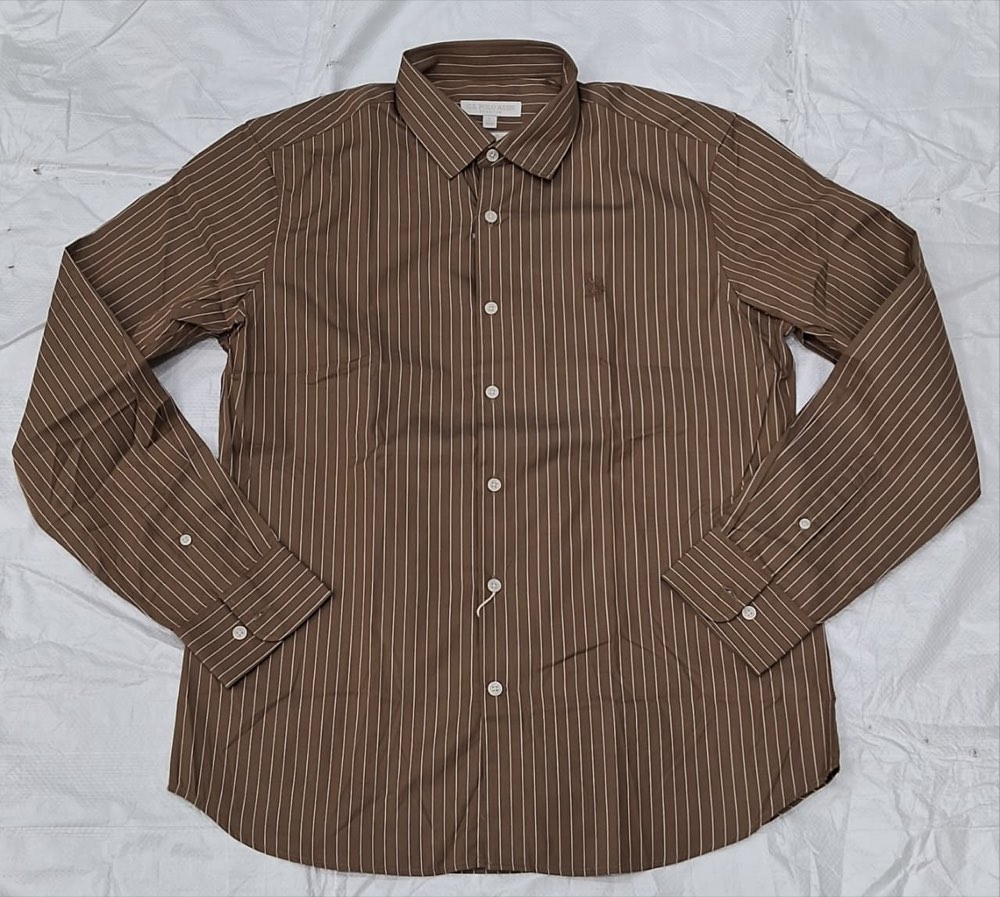
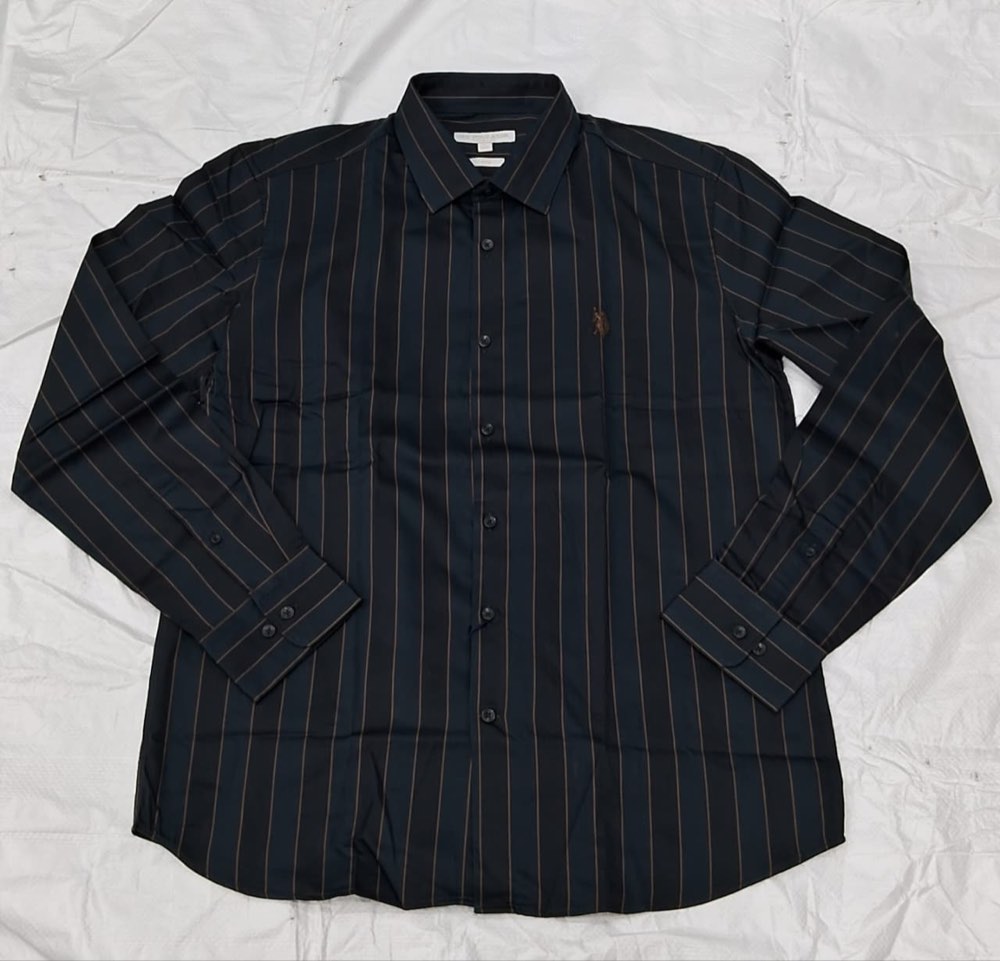
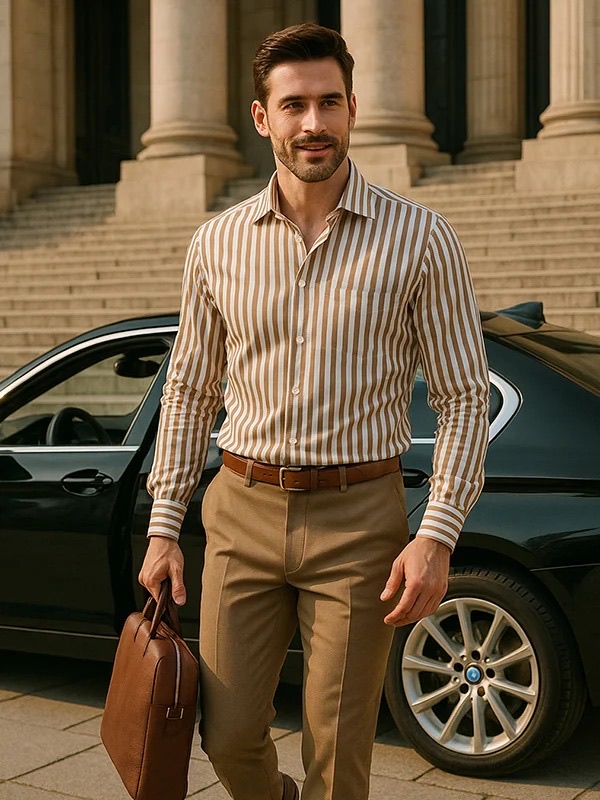
Striped Formal Shirts
Fine pinstripes read as texture from a distance; bolder bengal stripes add energy. Vertical lines also lengthen the torso visually.
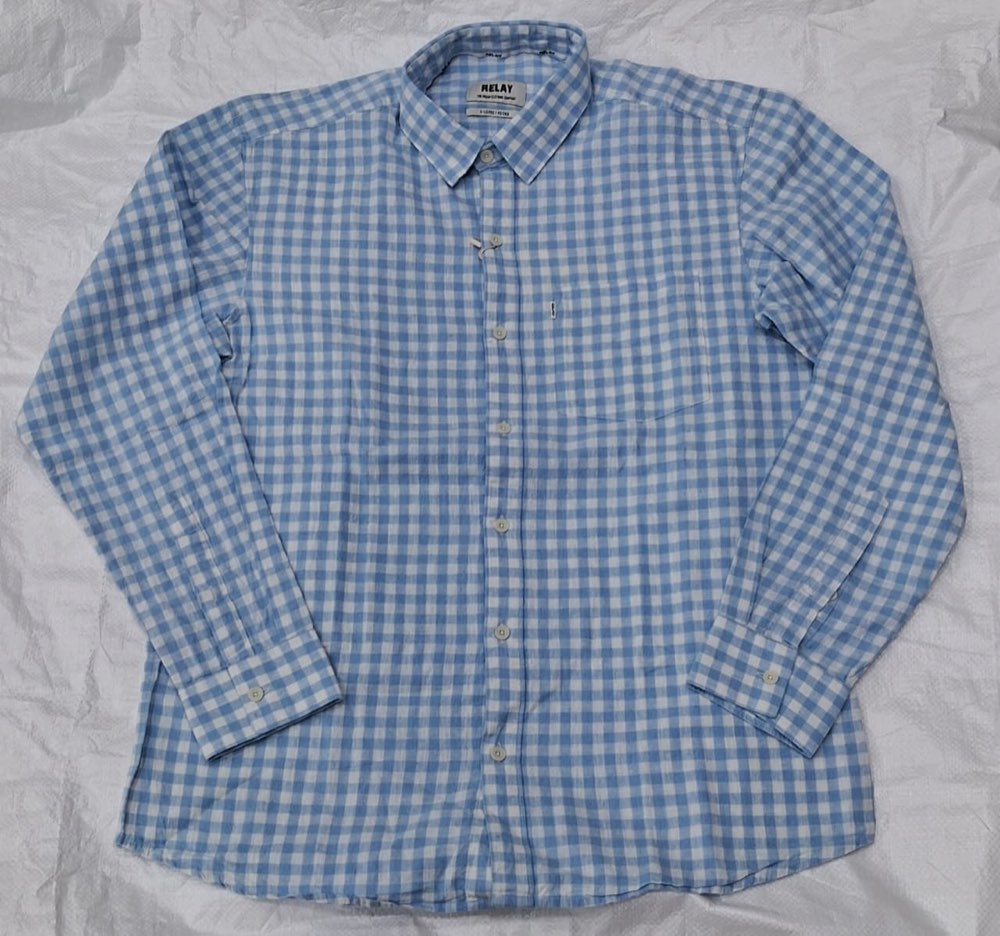
Checked Formal Shirts
Gingham, micro-checks and windowpanes bring pattern to the office without noise. Keep the check small under a suit; let it grow larger for business-casual days.
Drawing sheet · CollarsCollar Architecture
The collar is the first thing seen and the frame for the face. Its spread, point length and stiffness decide which tie knot will sit well, how formal the shirt feels and how it behaves when worn open.
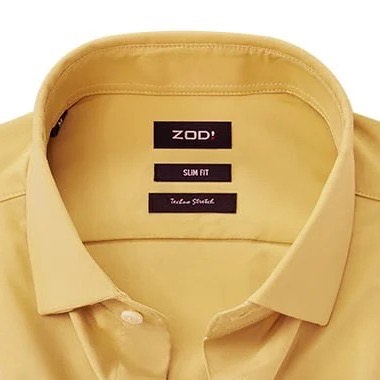
Spread
The points sit wide apart, leaving a generous, open space at the throat. It is the most assertive of the formal collars — modern, architectural and unmistakably businesslike.
- Tie
- Fuller knots such as the half-Windsor or Windsor fill the opening cleanly.
- Face
- Widens the line at the neck; balances longer, narrower faces.
- Formality
- High — suits, boardrooms and ceremonies.
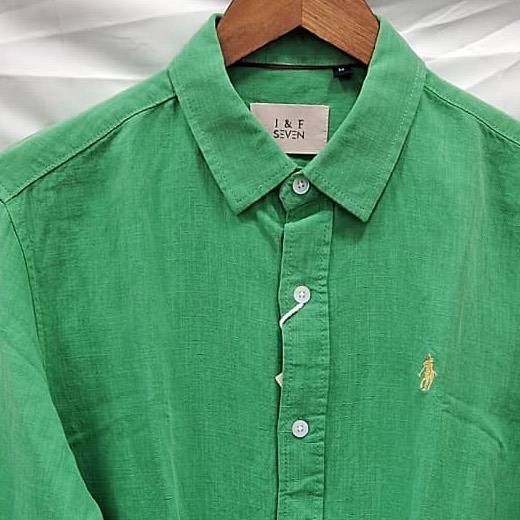
Semi-spread
The diplomat of collars. Its points angle out between a point and a full spread, so it looks composed with a tie and equally natural worn open.
- Tie
- Four-in-hand or half-Windsor; most tie widths sit comfortably.
- Face
- Neutral framing that suits the widest range of face shapes.
- Formality
- Versatile — office, client lunches and evenings.
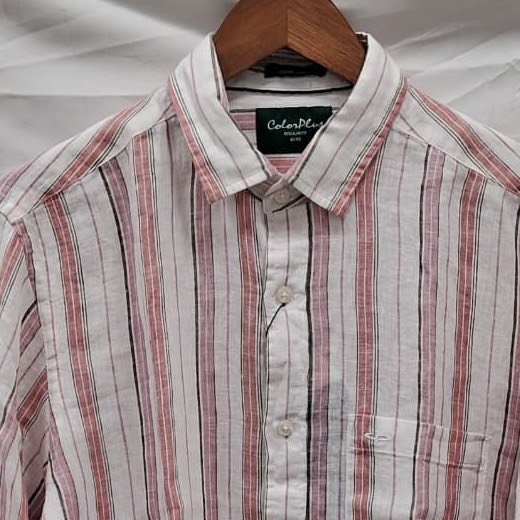
Point
Longer points set close together, pointing down toward the chest. The point collar is traditional business dressing at its most precise.
- Tie
- Slim knots — the four-in-hand — so the knot does not force the points apart.
- Face
- Draws the eye downward, lengthening rounder or broader faces.
- Formality
- Business formal; best with a tie.
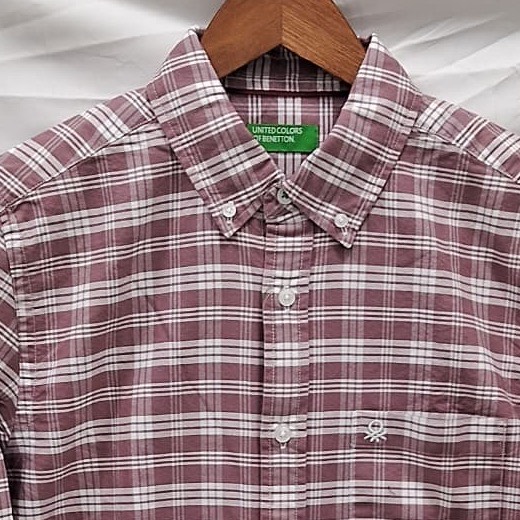
Button-down
Small buttons fasten the collar points to the shirt front, so the collar rolls softly rather than lying flat. Born in sport, it is now a staple of smart business-casual dressing.
- Tie
- Optional. Knitted or slim ties suit it; it looks complete without one.
- Face
- The soft roll is relaxed and approachable.
- Formality
- Business-casual — less formal than spread or point.
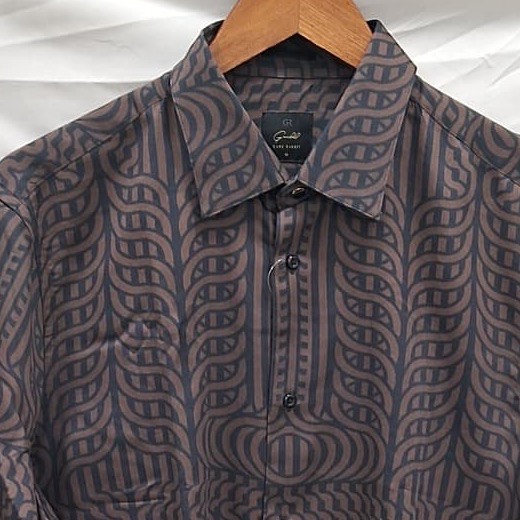
Cutaway
The points sweep back almost horizontally, exposing the collar band. It is the most fashion-forward formal collar and makes a strong, deliberate statement.
- Tie
- Needs a substantial knot to fill the space — or a confident open neck.
- Face
- Strongly widens; flattering on slim, long faces.
- Formality
- Formal and contemporary — evening events and sharp suits.
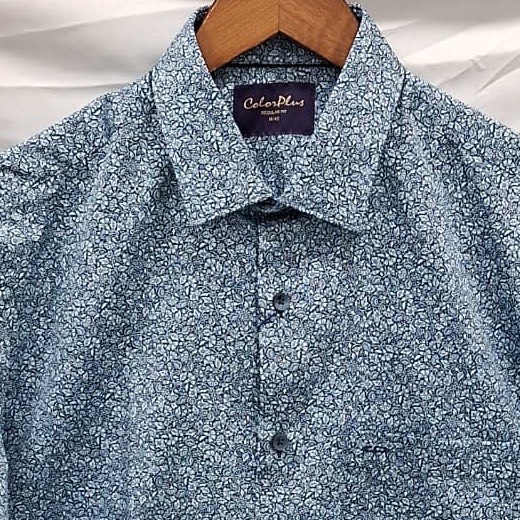
Classic
The reference collar: medium point length, medium spread and a firm band. Most formal shirts begin here, and every other collar is a variation on its proportions.
- Tie
- Works with most knots and tie widths.
- Face
- Balanced framing with no strong lengthening or widening effect.
- Formality
- Everyday formal — the safest choice for office wear.
Nine annotationsThe Details That Define the Shirt
Two shirts in the same colour can look worlds apart. The difference lives in nine places — follow the numbered points on the garment as you read.
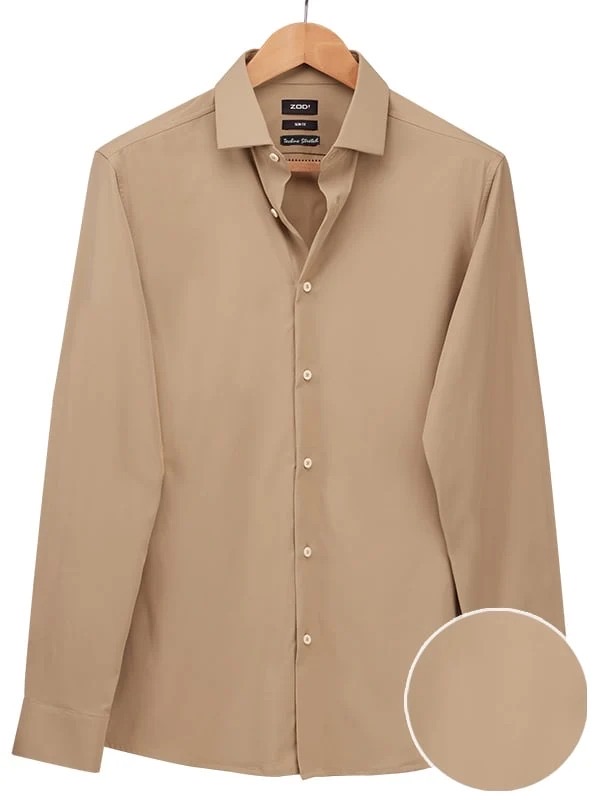
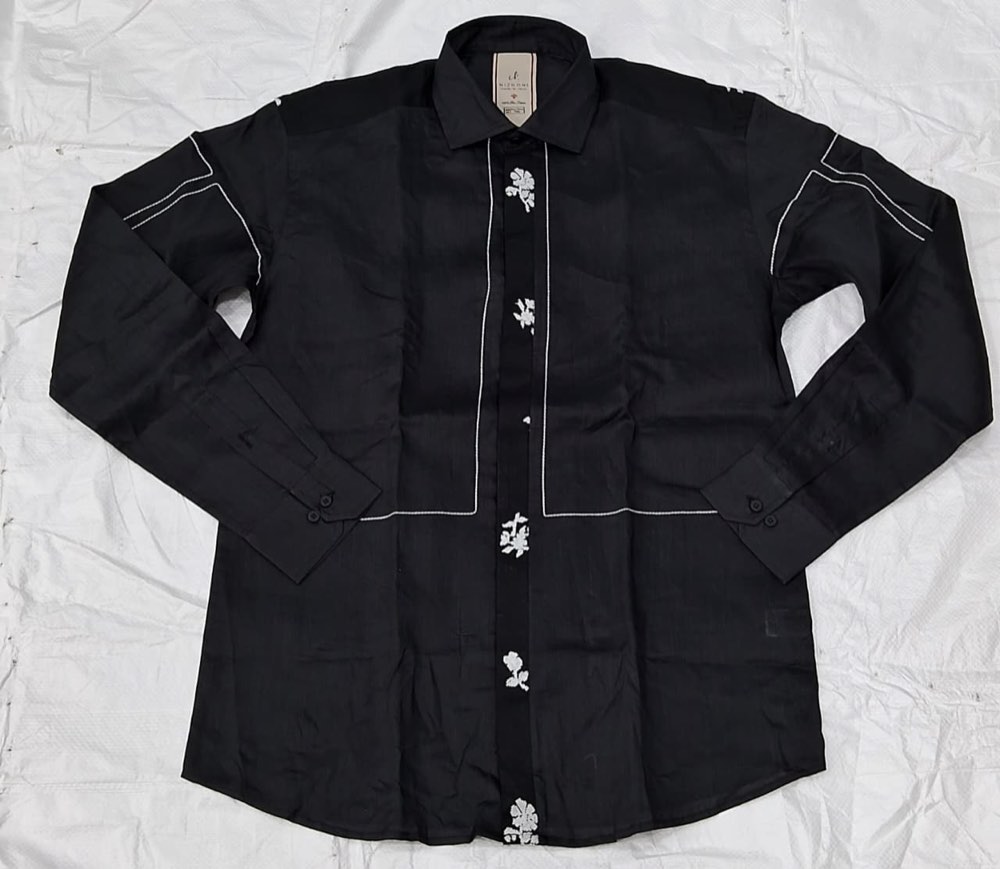
- 01
Collar construction
A good collar holds its shape without looking stiff. The interlining inside it, the curve of the band and the even width of the edge stitching decide whether it stands neatly under a jacket or collapses by lunchtime.
- 02
Cuff construction
Cuffs should be firm enough to keep their shape and wide enough to pass over a watch. A barrel cuff with one or two buttons is the everyday formal standard; adjustable buttons let you set a closer fit at the wrist.
- 03
Button placement
Buttons spaced evenly down the front stop the placket from gaping when you sit. The second button sits where an open collar falls naturally, and secure, cross-stitched buttons outlast loose ones.
- 04
Front placket
The strip of fabric that carries the buttonholes. A standard placket adds a crisp vertical line; a French front leaves the front clean and flat for a more minimal, dressier look.
- 05
Stitching
Fine, close and straight stitching along seams and edges signals care in making. It keeps seams flat after washing and lets the shirt lie smoothly against the body.
- 06
Yoke construction
The panel across the upper back joins the front to the back at the shoulders. It shapes how the shirt sits across your shoulder blades, and in striped shirts its direction becomes a visible design detail.
- 07
Pocket details
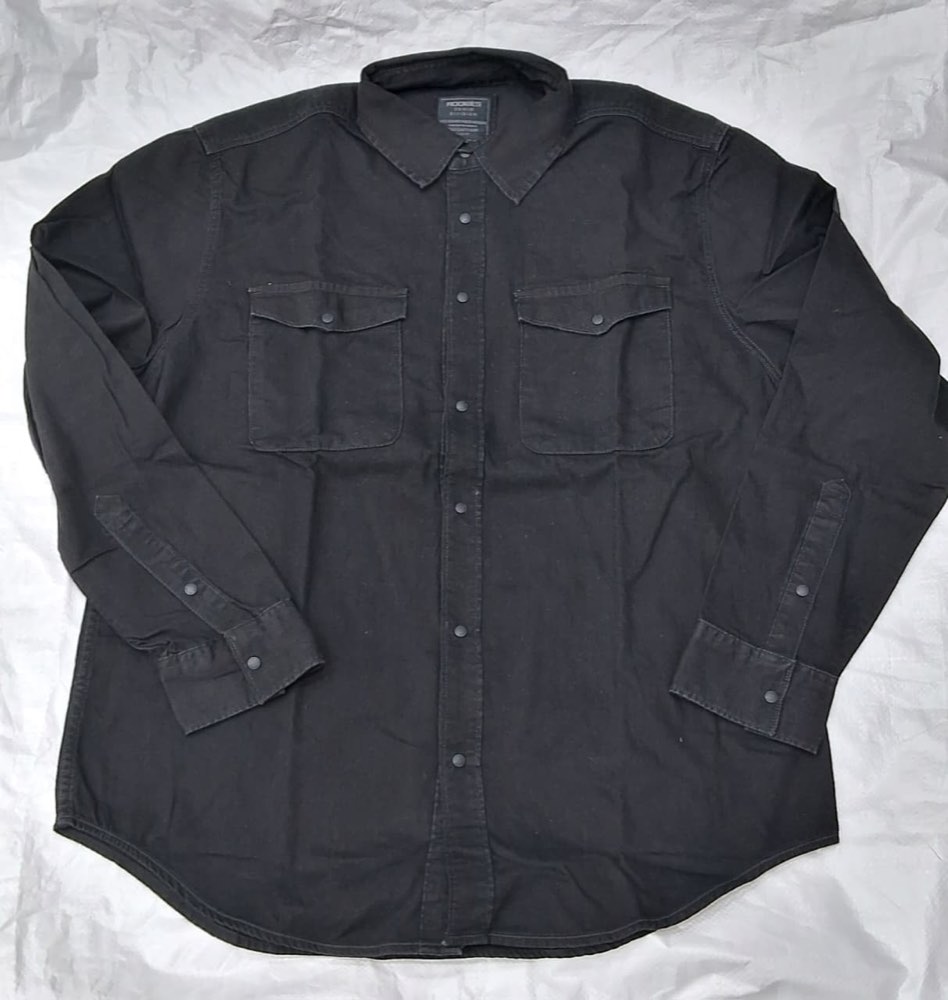
This shirt has no chest pocket — the cleanest, most formal option. A single patch pocket is practical for office wear; twin flap pockets belong to casual and utility styles.
- 08
Sleeve proportions
The sleeve should narrow gently from armhole to cuff without pulling when you bend your elbow, ending so roughly a centimetre of cuff shows beyond a jacket sleeve.
- 09
Hem finishing
A curved shirt-tail hem is made to be tucked and stays in place when you move. A neat, narrow rolled hem is a quiet sign of a well-finished garment.See all details on the Styles page →
Material studyFabric in Motion
Cloth decides how a shirt breathes, drapes, creases and catches light. Seven fabric families, read for the qualities that matter in Mumbai's warm, humid working day. Photographs illustrate shirt character; composition varies from garment to garment.
-
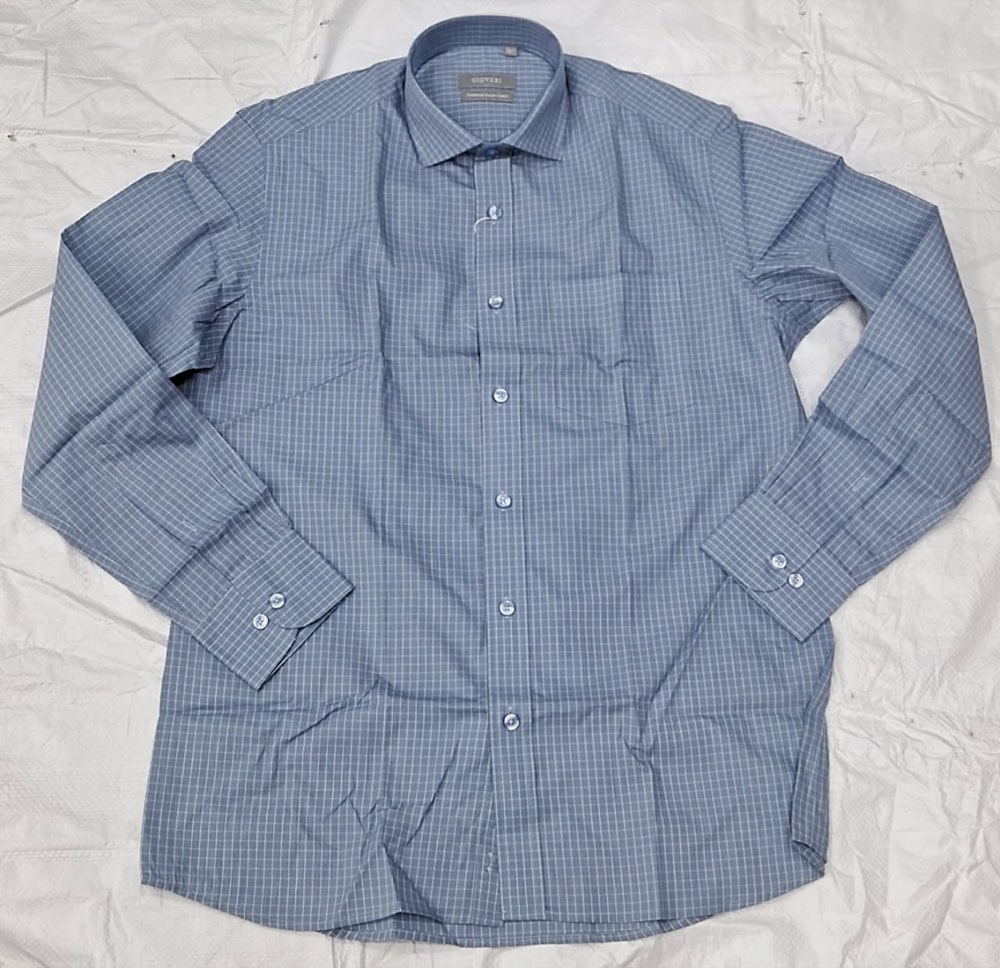
Cotton
The natural benchmark for shirting: breathable, soft against the skin and comfortable through long, warm days.
- Breathability
- Softness
- Crease resistance
-
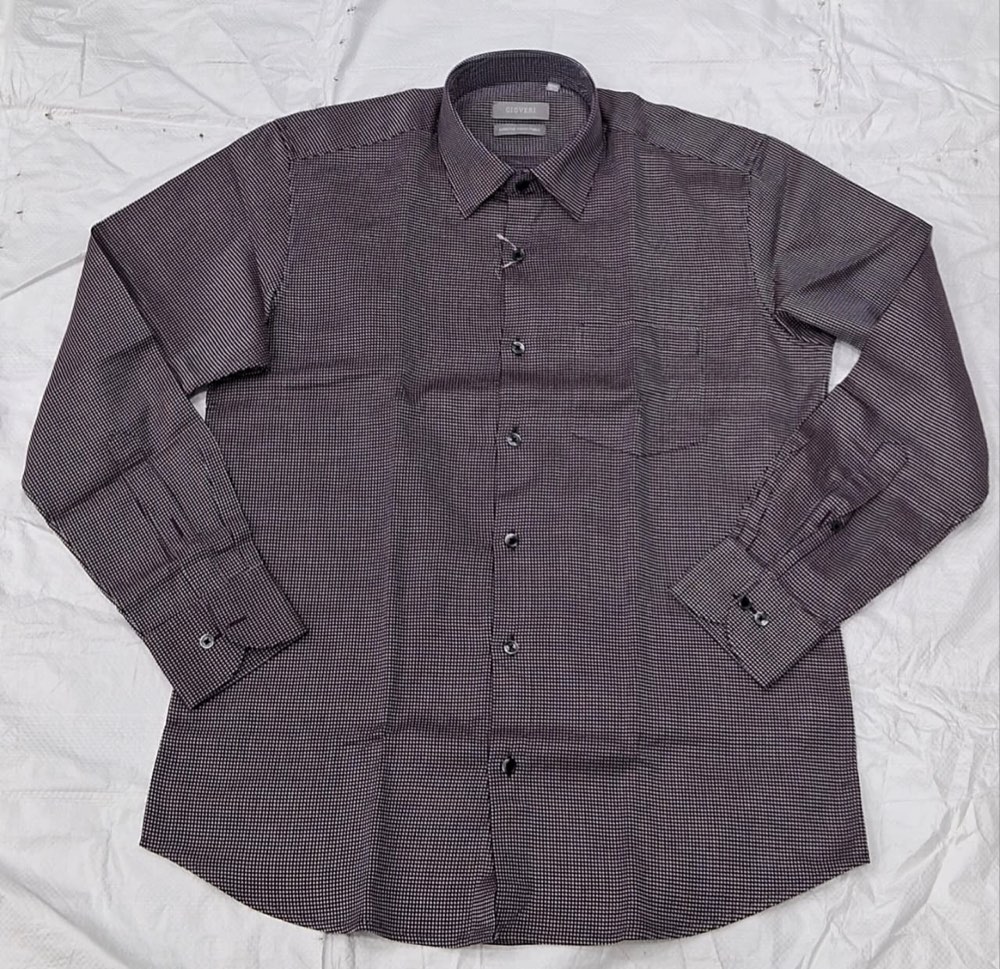
Cotton blends
Cotton combined with other fibres to add stretch, smoothness or easier care. Blends often keep their shape better through a busy day.
- Breathability
- Structure
- Easy care
-
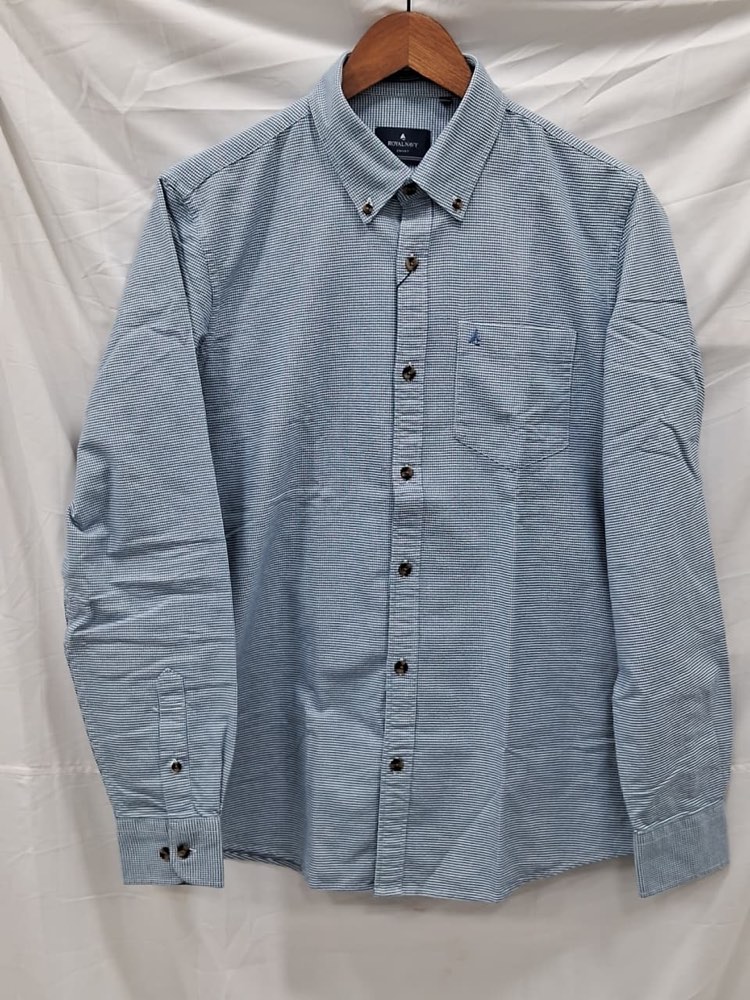
Oxford
A basket weave with a visible, slightly nubbly texture. Sturdy and relaxed, it is the classic partner of the button-down collar.
- Texture
- Durability
- Formality
-
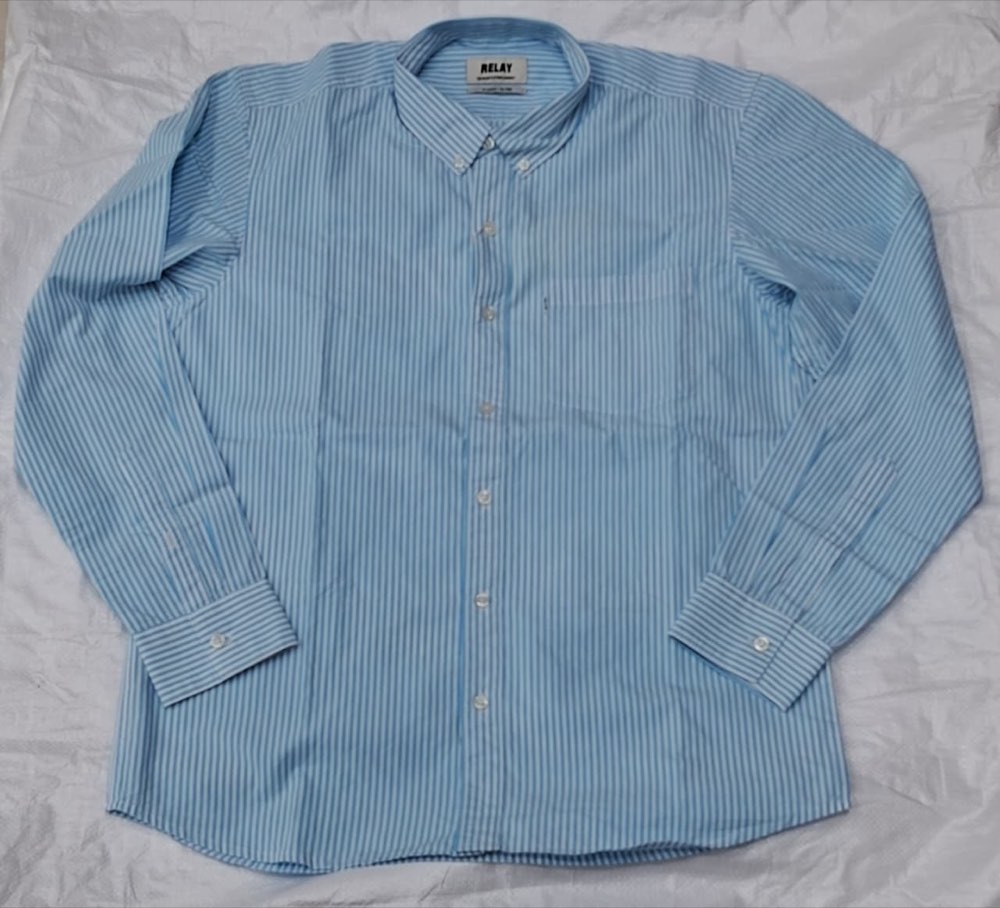
Poplin
A tight plain weave with a smooth, crisp, slightly lustrous face. Light and cool, it is the cloth of the classic business shirt.
- Smoothness
- Breathability
- Formality
-
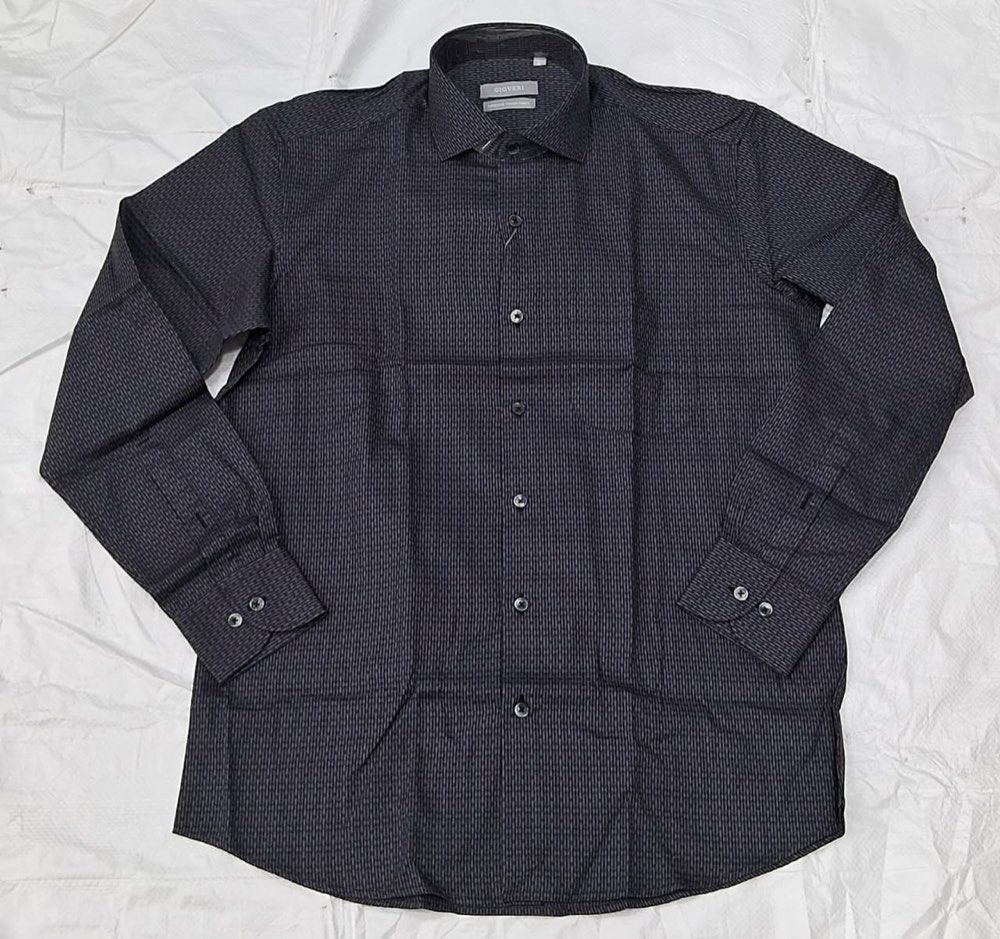
Twill
Recognisable by its fine diagonal rib. Twill drapes softly, resists creasing better than poplin and has a subtle sheen.
- Drape
- Crease resistance
- Formality
-
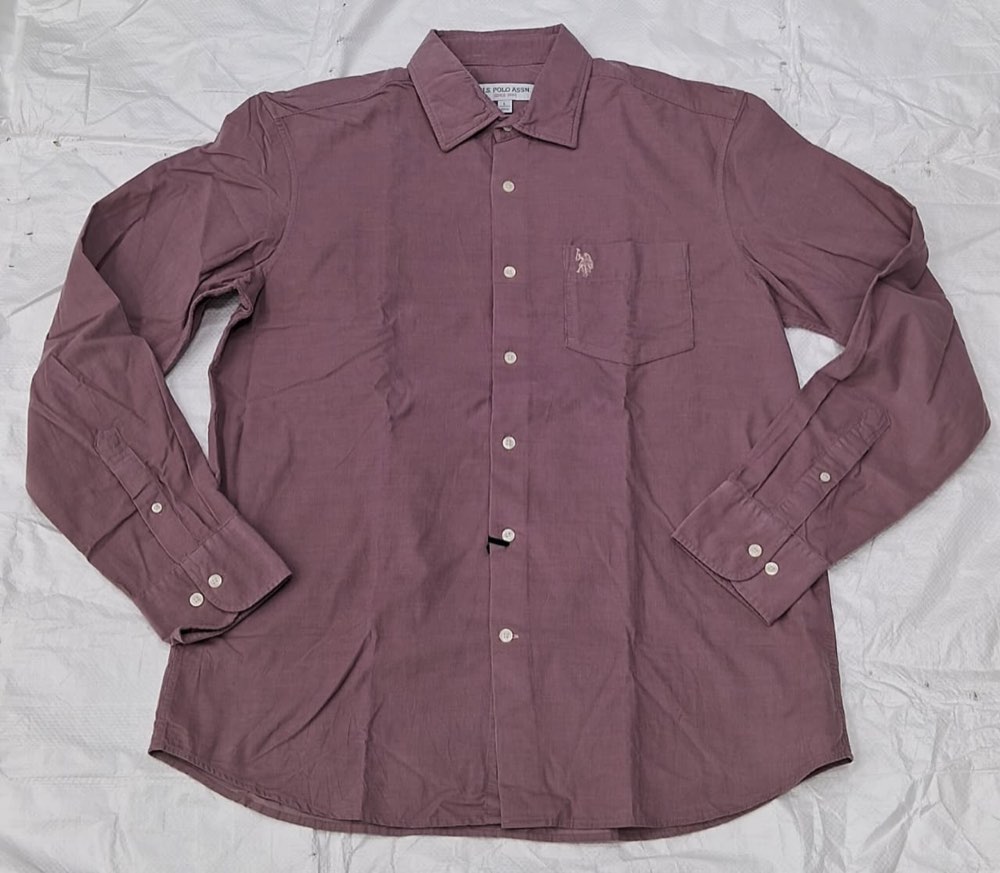
Fine textured shirting
Dobby, herringbone and micro-structured weaves add depth to a solid colour — visible up close, calm from across a room.
- Visual depth
- Structure
- Formality
-
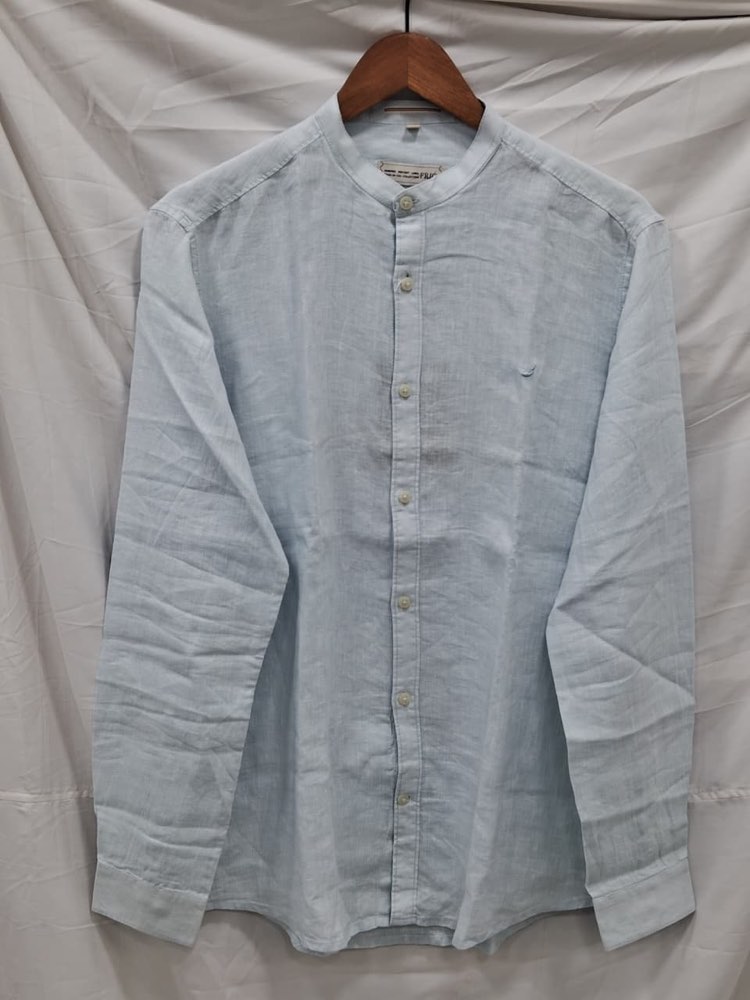
Lightweight breathable fabrics
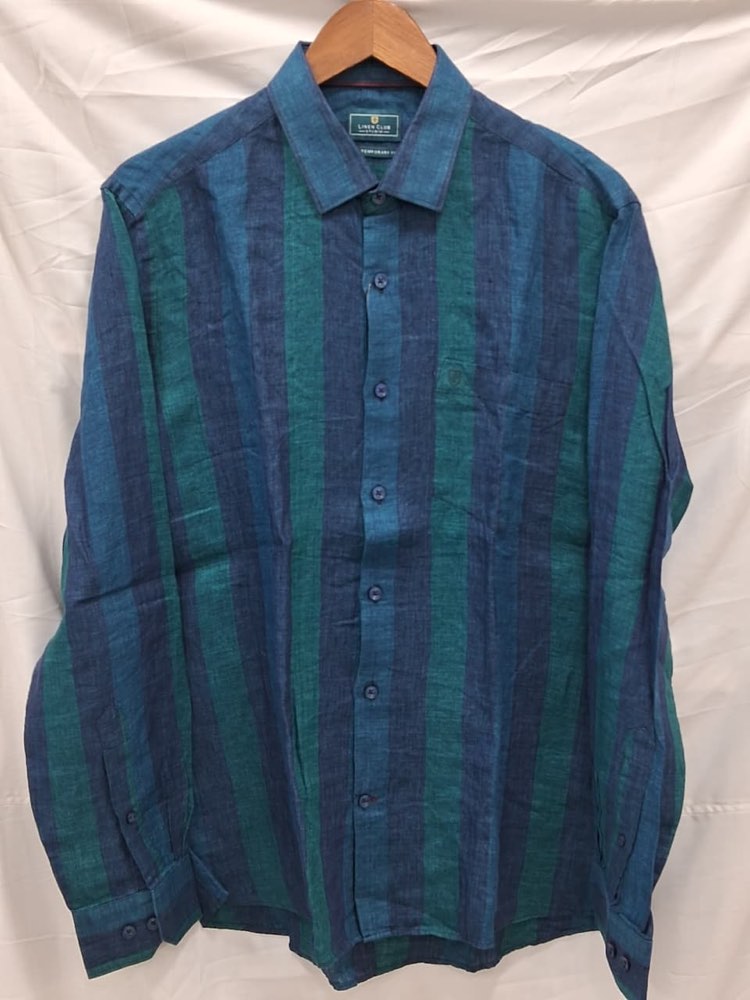
Open weaves and lighter cloths, including linen-look and voile-style shirting, that let air move — the summer and monsoon ally.
- Breathability
- Softness
- Crease resistance
Seven scenes from a working weekThe Andheri Professional
From the offices and studios of Andheri to meetings across the city, the formal shirt is the most-worn piece in a working man's wardrobe. Here is how it adapts to each part of the week.
-
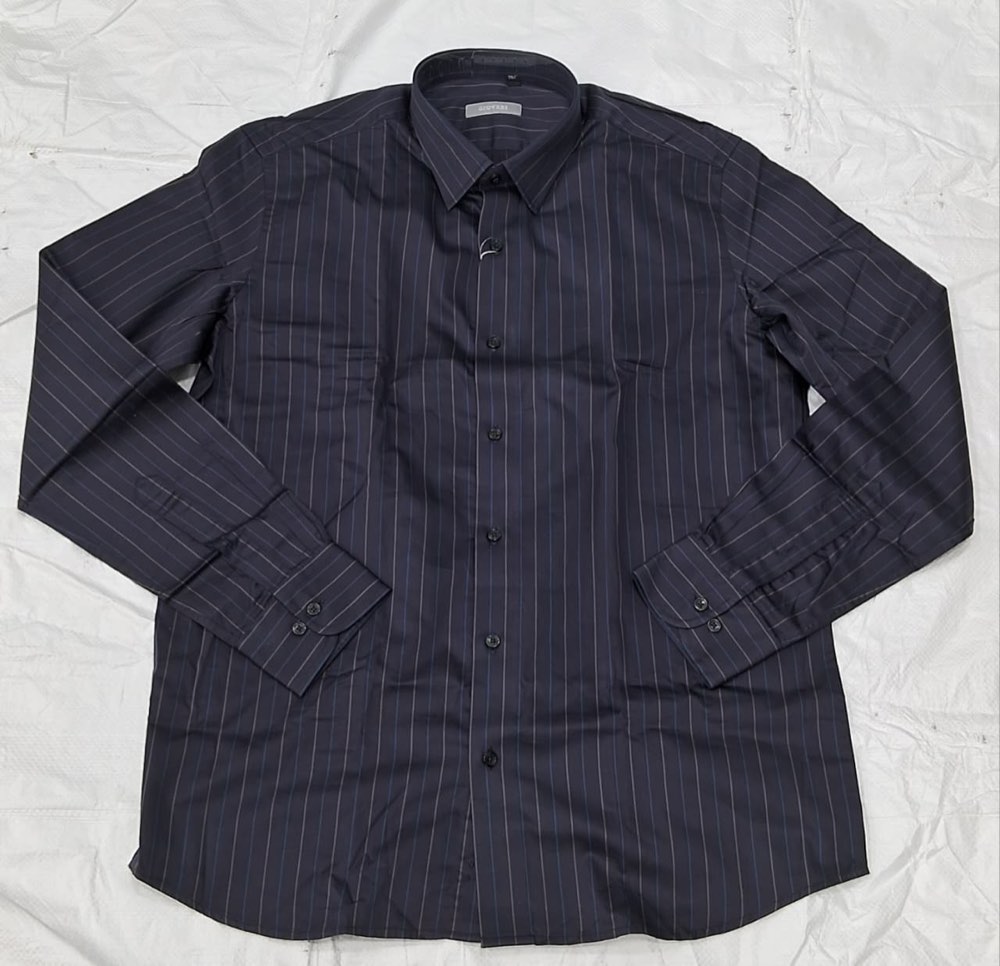 Scene 01 — Corporate professionals
Quiet authority, five days a week.
Navy and pale blue in fine stripes or solids, with a semi-spread collar, form the backbone of the corporate wardrobe. Keep patterns small and colours steady so the shirt supports you rather than speaking for you.
-
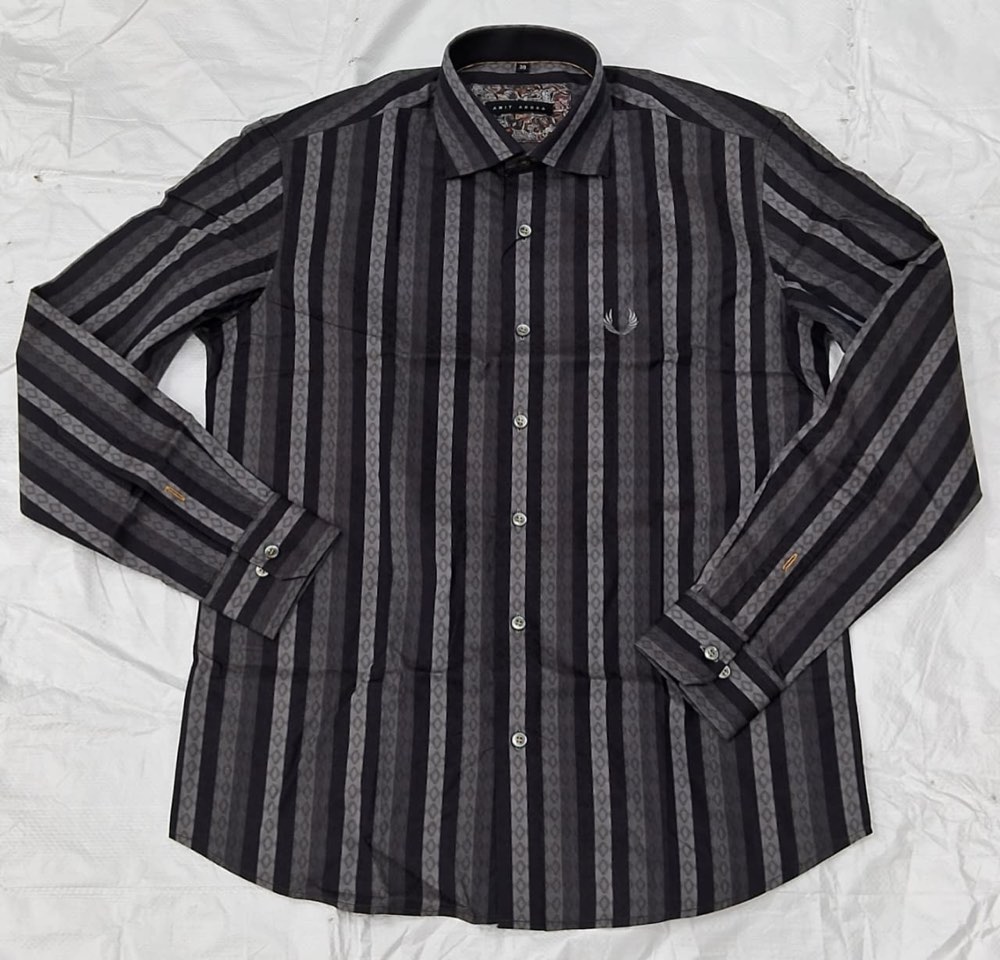 Scene 02 — Business meetings
Dressed for the table.
Across a meeting table, people see you from the chest up. A firm collar that stands under a jacket, and a stripe or texture with depth, keeps you looking composed through a long agenda.
-
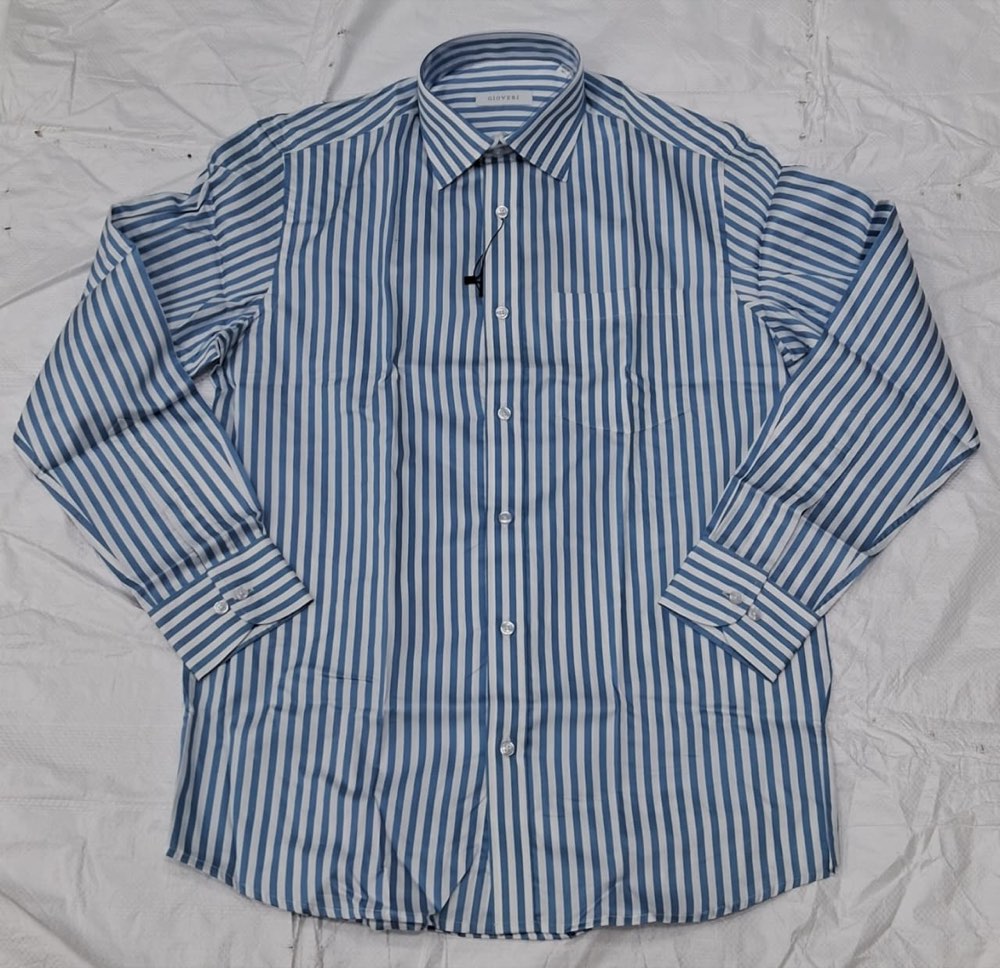 Scene 03 — Client presentations
Clarity on stage.
Standing to present, you are seen head to toe. A clean blue stripe photographs and projects well; a shirt that stays tucked when you raise an arm matters more than you think.
-
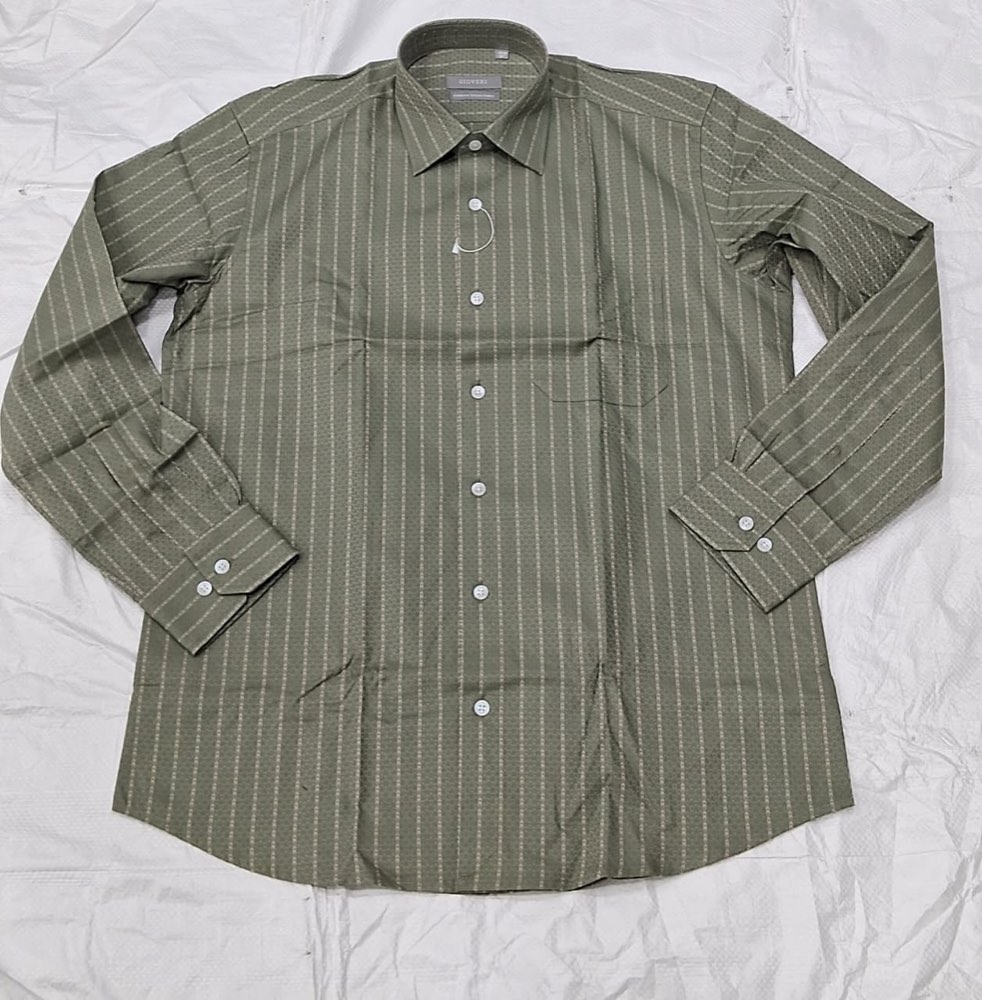 Scene 04 — Office dressing
The everyday edit.
For ordinary office days, rotate soft colours — sage, sky, ecru — in breathable cotton. Different enough to feel fresh, restrained enough to work with every pair of trousers you own.
-
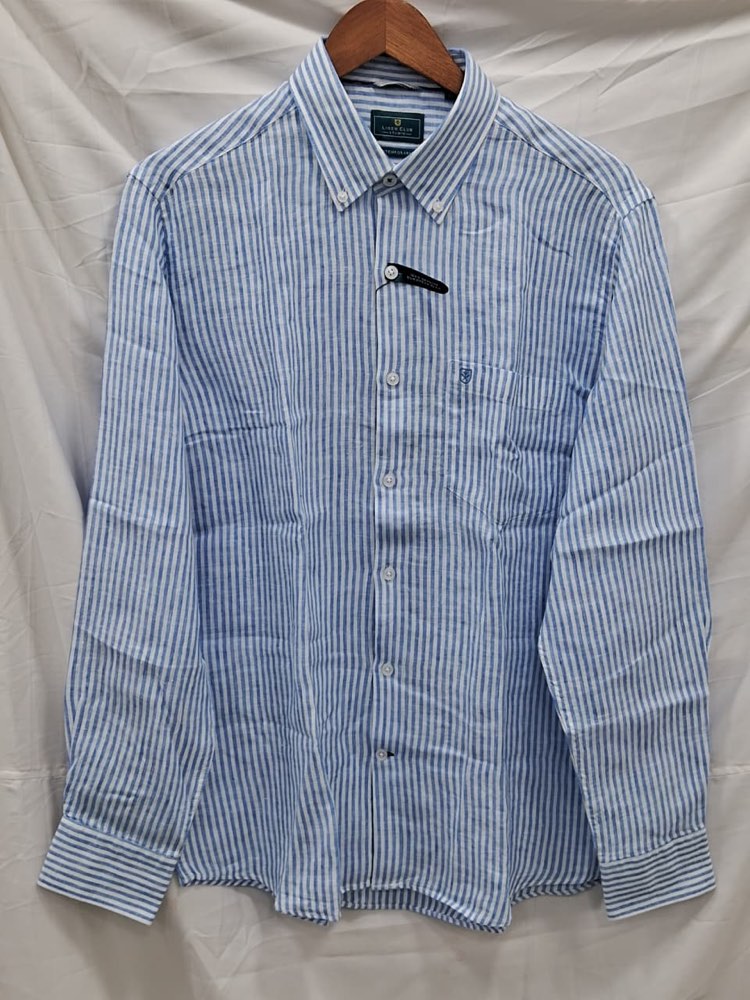 Scene 05 — Business travel
Packed, then presentable.
Choose cloths that recover from a suitcase — twills and blends — and patterns that hide light creasing. Hang the shirt on arrival and let the steam of a shower do the rest.
-
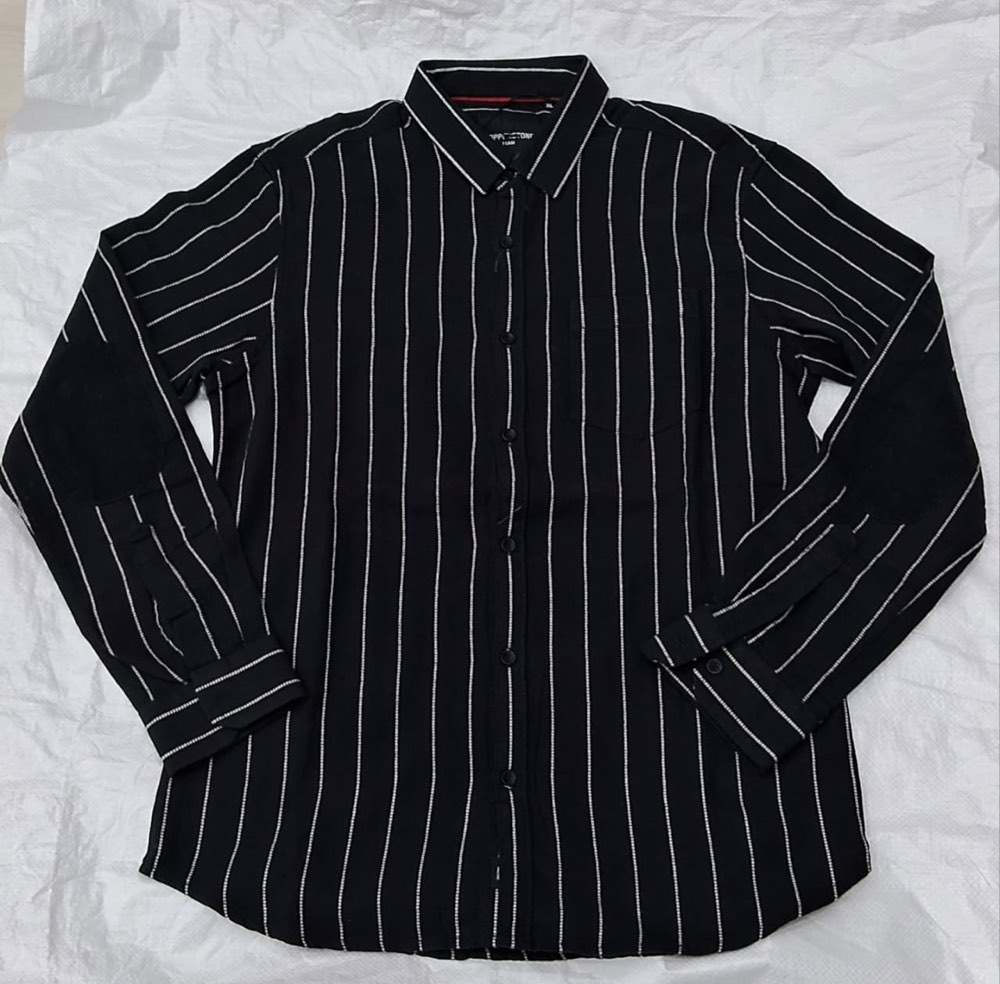 Scene 06 — Formal occasions
After hours, sharpened.
Evening functions and formal events invite darker grounds, sharper collars and dressier cuffs. A deep shirt under a lighter suit, or a crisp white under a dark one, sets the tone.
-
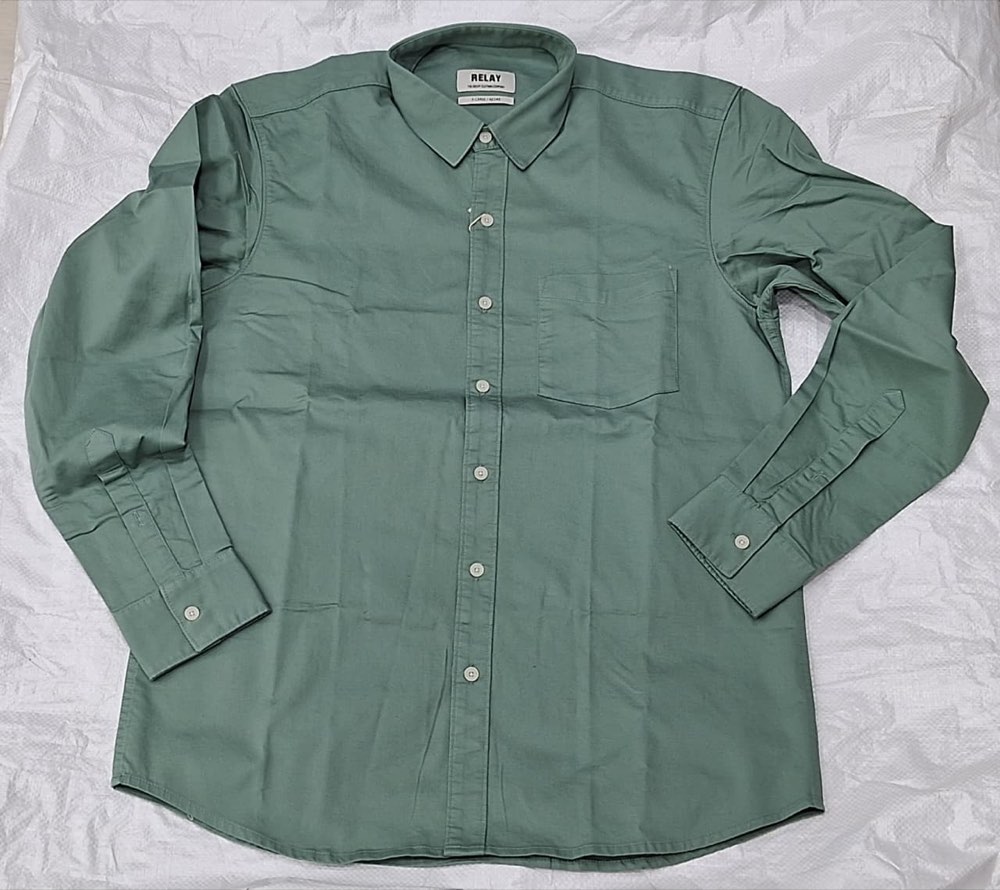 Scene 07 — Smart business-casual
Fridays, and everything in between.
Without a tie, the collar does the work. Button-down and semi-spread collars hold their shape open; pair with chinos, sleeves neatly rolled to just below the elbow.
From the journalThe Shirt Journal
Long-form notes on choosing, wearing and caring for formal shirts — written to be useful at the mirror on a Monday morning.
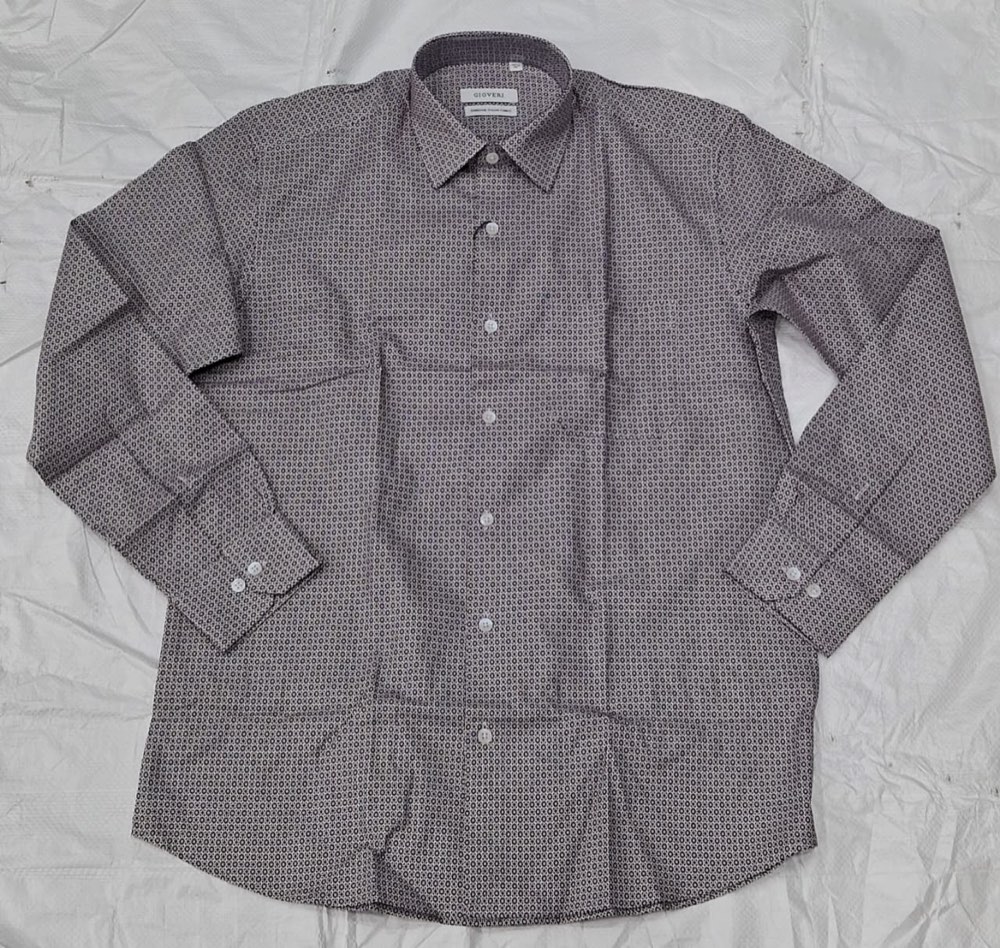
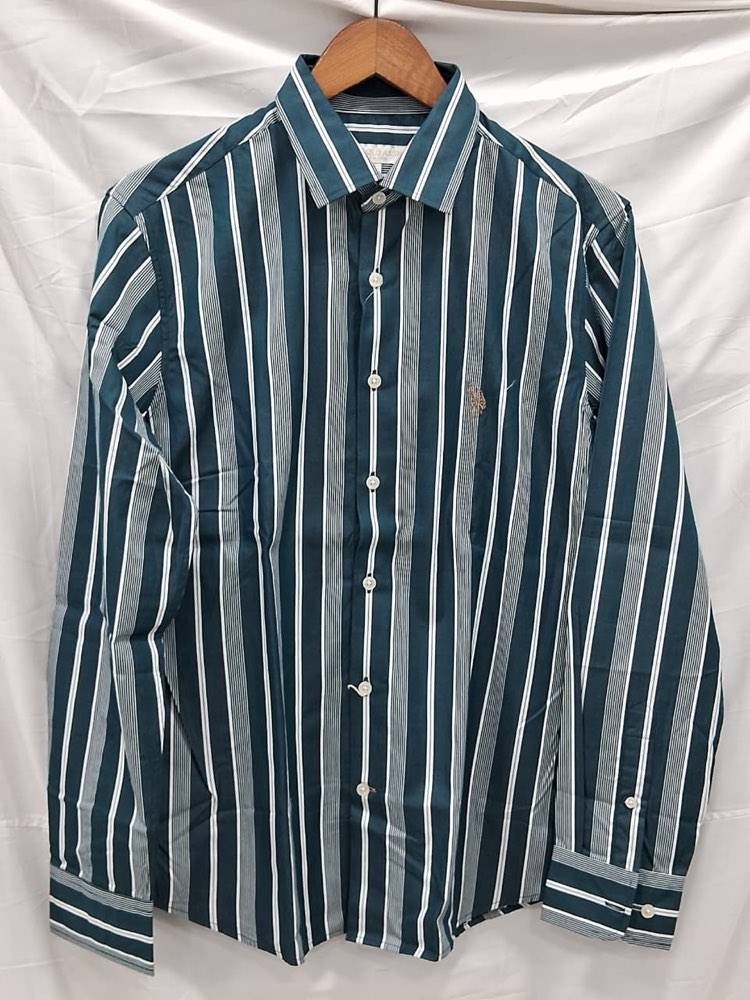
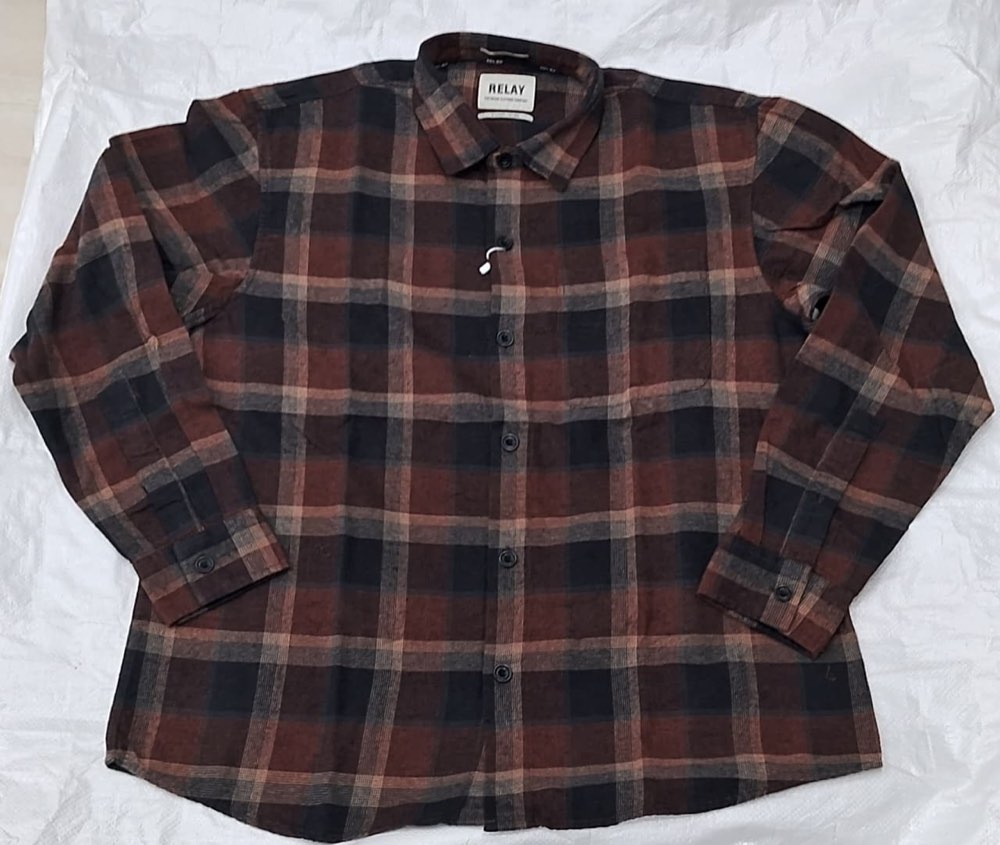
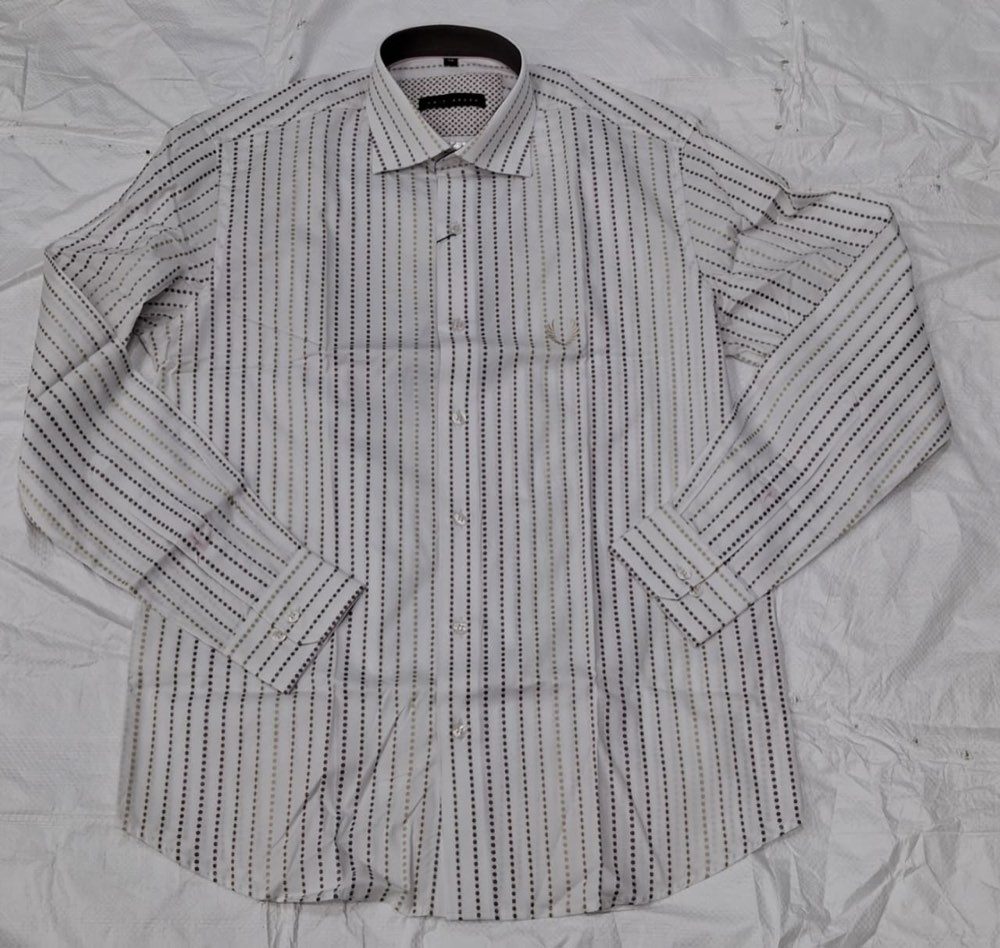
The difference is in the details.
Options Mall is a menswear destination in Mumbai, located at the Vile Parle Shopping Centre on V.M. Road, a short journey from Andheri. Formal shirts sit at the heart of what we show — alongside contemporary menswear for the rest of a man's week.
We believe a shirt should be chosen, not simply bought. That means looking closely at how it fits across the shoulders, how the collar sits with and without a tie, what the cloth will feel like at four in the afternoon in Mumbai humidity, and whether it truly suits the life it is meant for.
i · Fit
Proportion before pattern. A modest shirt that fits well looks better than a remarkable one that doesn't.
ii · Construction
Collars, cuffs, plackets and seams that keep their shape through a working day.
iii · Fabric
Cloth chosen for comfort in a warm, humid city as much as for appearance.
iv · Presentation
Dressing well is a form of respect — for the room, the occasion and yourself.
Make everydetailcount.
Discover a more considered approach to men's formal shirting.
Connect with Options Mall